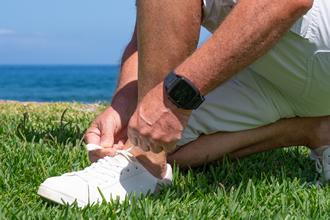
Feet tend to get the benefit of the doubt. A sore heel gets blamed on a long day, a puffy ankle gets iced and ignored, and a toe that has ached for a month becomes something you quietly walk around. At some point the question turns practical: will this settle on its own, or is it time to have someone look at it? Here is how we sort that out at our Fredericksburg and North Stafford offices, and what happens once you are in the chair.
Pain That Has Not Budged in Two Weeks
Tissue that is going to calm down usually starts calming down within a few days. So the most useful home test is time. Give it a couple of weeks of sensible care, meaning less standing, supportive shoes instead of flat ones, ice after activity, and an over the counter anti-inflammatory if that is safe for you. If the pain plateaus, or returns every time you go back to normal activity, you are looking at a pattern rather than a bad week. Patterns respond to a diagnosis, not to more waiting.
Morning pain is worth flagging on its own. When the worst steps of the day are the first ones out of bed and things loosen after five minutes of walking, that points toward irritation where the band of tissue along the arch (the plantar fascia) attaches at the heel. Caught early it responds well to fairly simple measures, which is a good argument for not giving it a whole summer. Our heel pain page covers what treatment looks like.
Injuries That Look Minor and Are Not
Being able to walk on something is not evidence that nothing is wrong. Plenty of fractures and torn ligaments will let you limp along. These are the ones we would rather see sooner than later:
- An ankle you rolled that is still swollen a week later. Ligaments that heal stretched out rather than snug set you up for the next sprain, and a stack of sprains wears the joint down over years.
- Aching across the top or middle of the foot that crept in while you were adding mileage or hours. Stress fractures build quietly instead of announcing themselves.
- A toe that got jammed or crushed and is now bruised under the nail. Pressure under a nail is fixable, and a broken toe that heals crooked is harder to live with than one splinted correctly.
- Sudden pain low in the calf or at the back of the heel, especially if it came with a snapping sensation or a feeling that something gave way. The Achilles tendon gets seen the same day.
Call Us Before You Head to the Emergency Room
An emergency department is the right place for a badly mangled foot, for bone breaking through skin, or for injuries that came with a larger accident. For most everything else below the knee, a podiatry office can usually see you sooner and start the actual treatment rather than sending you off to arrange it later.
Reach out the same day for a foot or toe that has visibly changed shape, redness spreading away from a nail or a sore, drainage, odor, warmth with a fever, or a cut that is not closing. If you have diabetes, nerve damage, or poor circulation, skip the waiting entirely. Numb feet do not sound an alarm, so a blister or a small break in the skin can get surprisingly far along before it hurts enough to get your attention.
What the Appointment Is Actually Like
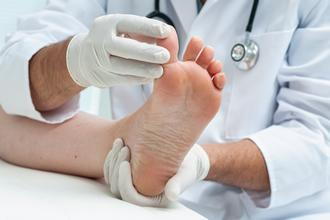
Less than people expect. We start with the story: when it began, what makes it worse, the shoes you spend your days in, and what your job and your workouts ask of your feet. Then we watch you walk and examine the foot both with your weight on it and off it, since a lot of problems only show themselves under load. Bring the shoes you wear most. The wear pattern on a pair of sneakers tells us things you cannot describe from memory.
Imaging happens on site at our Fredericksburg office when it is needed, including digital X-ray for bone and joint questions and diagnostic ultrasound for tendons and other soft tissue. Most people leave the first visit knowing the name of what they have and with treatment already underway. That treatment usually starts conservatively: footwear changes, padding or taping, a stretching routine, custom orthotics, an injection when inflammation is driving things, or physical therapy. Surgery is a later conversation for a minority of problems, and when it is the right call, our operating room cases are done at Stafford Hospital.
Come See Rappahannock Foot & Ankle Specialists
There is also a visit worth making before anything hurts. If you have diabetes, if you are on your feet all day for work, if you are ramping up training, or if you have already had one foot repaired and want to protect the other side, a yearly check catches small structural changes while they are still easy to manage.
Our six podiatric surgeons have been taking care of this community since 1986. If you are not sure whether what you are feeling counts as a problem, call and describe it to us. Fredericksburg is at (540) 371-3338 and North Stafford is at (540) 659-5067, or you can request a visit through our contact page.