Feet usually get attention only after something has already gone wrong. You notice the blister once it stings, the toenail once it snags on a sock, the arch once it aches at the end of a long shift. A few minutes of care a day catches most of those problems while they are still small.
Give Your Feet Two Minutes Before Bed
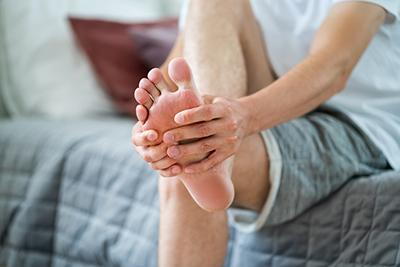
The habit worth building is simple: dry thoroughly, then look. After a shower, run the towel between your toes and not just across the top of the foot. Skin that stays damp in those narrow spaces gets soft, splits open, and hands bacteria and fungus an easy way in. Once you are dry, turn the foot over and actually inspect it.
Things worth a closer look:
- Splits or peeling along the heel rim or in the web spaces
- Raw patches, hot spots, or a blister forming underneath a callus
- Scrapes and small cuts you have no memory of getting
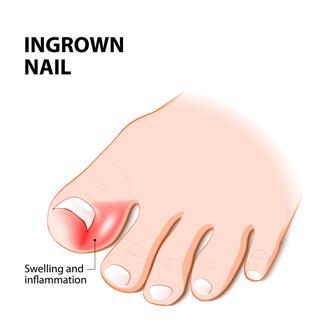
- Nails that are thickening, lifting away from the nail bed, or turning yellow or brown
- Puffiness on one foot that the other foot does not have
If bending far enough to see the sole is uncomfortable, set a hand mirror on the floor and step over it. This matters most if you live with diabetes, nerve damage (neuropathy), or poor circulation, because an injury you cannot feel is an injury you will not treat.
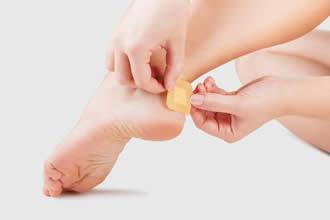
For a minor break in the skin, wash it with soap and water, apply a thin layer of antibiotic ointment, and cover it. Redness spreading outward, drainage, warmth, or pain that climbs instead of settling means it is time to call us.
Socks and Shoes Do More Work Than You Think
Many of the complaints we see trace back, at least partly, to whatever the foot spent eight hours inside of.
Start with socks, since they are cheap and easy to change. Look for a material that pulls moisture off the skin instead of holding it, extra padding under the heel and under the ball of the foot, and a smooth toe closure. A bulky ridge sitting across your toes will eventually find something to rub.
Shoes deserve a harder look. Squeeze the back of the shoe between your thumb and finger. If the heel cup folds flat, it will not hold your heel steady when you push off. The sole should grip without feeling slick, the toe box should let your toes spread rather than stack, and the support under the arch should match the shape of your own foot.
Replace athletic shoes sooner than they look worn out. The midsole and the cushioning break down well before the upper does, and a flattened midsole passes every impact straight up into the foot, ankle, knee, hip, and lower back. Set the pair on a counter at eye level and look from behind. If the heels tilt instead of standing square, the shoe is done.
Staying Ahead of Athlete’s Foot and Nail Fungus
Warmth, moisture, and shared floors are what let fungus take hold, and gyms, pools, and locker rooms supply all three. Prevention here is mostly logistics.
- Keep sandals or shower shoes on your feet anywhere the floor is shared and wet
- Get out of damp socks as soon as you finish, not once you get home
- Rotate between two pairs of shoes so each one has a full day to dry out
- If you sweat heavily, dust an antifungal powder into the shoe as well as onto the foot
Athlete’s foot that clears up and returns every few weeks is usually living in your shoes, not just on your skin, so treating one without the other tends to stall. Once the infection moves under a nail and the nail turns thick and crumbly, drugstore products rarely reach far enough to help, and our page on fungal toenail treatment explains what we can offer at that stage.
Keep the Tissue Loose
Tight calves quietly cause more foot pain than almost anything else, because a calf that will not lengthen forces the arch to absorb the difference. Stand an arm’s length from a wall, step one foot back, keep that heel down and the knee straight, and lean in until you feel a pull up the back of the lower leg. Hold for half a minute, then repeat with the back knee slightly bent.
Add a gentle pull backward on your toes to lengthen the band of tissue along the arch (the plantar fascia), roll the sole slowly over a ball, and take each ankle through a few unhurried circles. Doing this before you head out and again once you cool down takes under five minutes and does more for morning stiffness than anything you can buy.
When to Stop Waiting It Out
Daily care handles a lot, but not everything. Pain that has hung on past two or three weeks, a callus or nail problem that keeps returning, numbness or burning, and any wound that is not visibly closing all deserve a professional set of eyes. Foot problems are simpler to solve early.
Rappahannock Foot & Ankle Specialists has cared for feet in the Fredericksburg and Stafford area since 1986, with six podiatric surgeons across our two offices. If something on your foot is not behaving the way it should, get in touch with us and we will take a look.