The feet you have at seventy are not the feet you had at thirty. The skin is thinner and drier, the nails take longer to grow and get harder to cut, and small problems that once cleared up on their own now hang around for weeks. None of that is a reason to accept sore feet as part of getting older. A short, consistent routine handles most of it, and knowing which problems belong in our office handles the rest.
What Is Actually Changing Down There
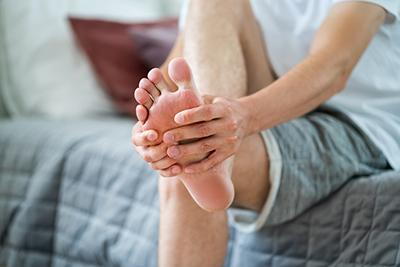
Several things happen at once as the decades pass. The oil glands in the skin slow down, so your feet lose moisture faster than they replace it. The fat pads under the heel and the ball of the foot thin out, which is why hard floors feel harder than they used to. Nails thicken and grow more slowly, making them tougher to trim, and circulation can taper off, so cuts and blisters take longer to close. And if you have lost any feeling in your feet (neuropathy), you may not notice a sore spot until it has already become a real wound. That last point is why foot care in later years is less about appearance and more about catching problems while they are small.
The Five Minute Daily Routine
- Wash with mild soap and warm water. If sensation in your feet is reduced, test the temperature with your wrist or elbow first, because skin that cannot feel heat can be scalded without warning.
- Dry carefully, and pay attention to the spaces between the toes. Leftover dampness there is exactly what athlete’s foot needs to take hold.
- Give both feet a proper look, soles included. A hand mirror on the floor helps if bending is difficult, and a family member can do it in seconds if it is not.
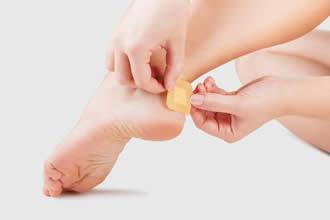
- Watch for cuts, blisters, red or warm areas, changes in color, swelling that is new or only on one side, and anything draining.
- Put on clean socks in a material that breathes, and shake out your shoes before you step into them.
Moisturizer, Used the Right Way
Since aging skin makes less of its own oil, what you put on it matters more than it once did. Cream absorbs best while the skin is still slightly damp, so apply it within a few minutes of leaving the bath or shower, and reach for a thick cream or ointment rather than a thin lotion. Cover the top, the sides, the sole, and the heel.
Then skip the webs between the toes. That skin already spends the day in a warm, closed space, and adding cream keeps it soggy, which invites fungal infection and breakdown. If your heels are splitting, bedtime is the most useful moment to treat them, since an ointment under a cotton sock gets eight uninterrupted hours to work.
Nails, Thick Skin, and What Not to Do Yourself
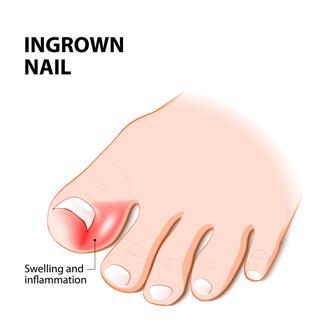
Trim nails after a bath, when they are softer and less likely to split or crack. Cut straight across, keep the edge roughly even with the tip of the toe, and smooth the corners with a file instead of digging into the groove along the side. A nail that has turned thick, yellow or brittle and crumbles at the edge is often a fungal infection rather than ordinary aging, and it is worth having looked at, since we can confirm what it is and go over the choices on our fungal toenail page.
Hard, built up skin responds to patience. Soak first, then work gently with a foot file over several days rather than removing it in one sitting. What we would rather you never bring near your feet: razor blades, scissors, and the medicated corn pads, which carry an acid that cannot tell hard skin from healthy skin. If you have diabetes, circulation problems, or any numbness, hand this part to us.
Cold Weather Asks More of Your Feet
Winter compounds nearly every one of these problems. Indoor heat pulls humidity out of the air, long hot showers strip away oils your skin is already short on, and heavy socks inside boots trap sweat all day long. Rotate between two pairs of shoes so each gets a full day to dry out, change socks the moment they feel damp, and turn the water temperature down a notch. Resist warming cold feet against a space heater or a heating pad, especially if your sensation is reduced, because burns from that habit are more common than you would guess. Padding around a chilly house barefoot is worth dropping too, since a slipper with a firm sole guards against stubbed toes and splinters.
When to Let Us Take Over
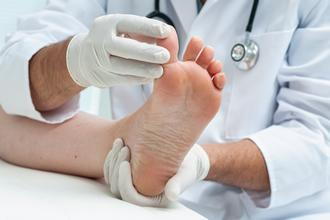
Call us if a sore, blister, or crack has not closed within a few days, if an area is red, warm, or draining, if a nail has become painful or is lifting away, or if you have simply reached the point where reaching or clearly seeing your feet is a struggle. Routine nail and skin care is an ordinary part of what we do, and far easier than treating an infection that got a head start. Rappahannock Foot & Ankle Specialists has six podiatric surgeons between our Fredericksburg office at (540) 371-3338 and our North Stafford office at (540) 659-5067. Get in touch to set up a visit whenever your feet could use a second set of eyes.