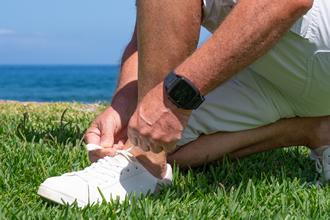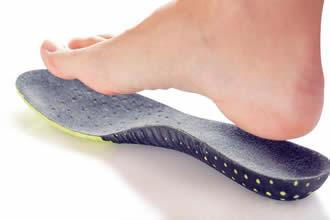
You probably shopped carefully for your shoes. You tried them on, walked around, thought about support. Then you pulled on whatever sock came out of the multipack in the closet. That sock is the only thing between your skin and the shoe for every step you take, which means it has more to do with blisters, damp skin, and hot spots than most people expect. Choosing well takes about two minutes of thought.
Start With How the Sock Sits on Your Foot
Pull the sock on and look at it before the shoe goes on. The heel pocket, that shaped section at the back, should land squarely on your heel. If it rides up your ankle or sags below the heel, the sock is the wrong size no matter what the package says.
Then smooth the fabric flat. Slack material folds into a ridge, and a ridge under a moving foot becomes a blister faster than you would think. If a wrinkle keeps reappearing across the ball of your foot or over your toes, the sock is too long or too roomy. The opposite problem counts too. A sock that leaves a deep groove around your calf or presses your toes together is working against you, and the toe seam should lie flat rather than sitting across the tops of your toes like a speed bump.
Fabric Does Work You Cannot See
Feet sweat a great deal, and all cotton socks hold that moisture against your skin. Wet skin softens, and soft skin tears and rubs. It also gives fungus a comfortable place to settle in. Blends built from merino wool, polyester, nylon, or bamboo rayon move sweat outward and dry faster, which is why they are worth the extra dollar or two. Wool is not only a winter fabric. A thin merino sock stays comfortable in July and handles sweat better than cotton does.
Match the Sock to the Shoe and the Day
Sock thickness changes how a shoe fits, so judge the pair together rather than separately. A cushioned hiking sock inside a snug running shoe can crowd your toes enough to bruise a nail on a long downhill. A thin dress sock inside a roomy sneaker lets your foot slide and creates friction at the heel.
- Running and walking: a snug, thin to medium sock with padding under the heel and the ball of the foot.
- Hiking and long days on your feet: a thicker sock with a taller cuff so the boot collar never touches bare skin.
- Work boots and standing jobs: carry a second pair and change at lunch if your feet sweat heavily.
- Dress shoes: thin is fine, but skip the all cotton dress sock if your feet run damp.
Buy socks late in the day when your feet have swelled slightly, and try new ones on with the shoes you actually plan to wear them in.
If You Have Diabetes, Numbness, or Swelling
When sensation in your feet is reduced, you cannot feel a wrinkle, so you also will not feel the blister it causes. Sock choice stops being a comfort question and becomes a protection question.
- Look for seamless or flat seam construction and a non binding cuff that does not leave a mark.
- Choose light colors so drainage or a spot of blood is obvious when you take them off.
- Put on a fresh pair every single day, and retire socks once they thin out or develop a darned patch.
- Wear compression stockings only in the strength your doctor recommended, and take them off at night unless you were told otherwise.
When the Sock Is Not the Real Problem
Better socks solve a surprising number of small complaints, but they cannot fix everything. If the skin between your toes stays damp, peels, or itches, you are likely dealing with athlete’s foot, and that infection has an easy path into the nails. Thick, crumbly, discolored nails are worth having looked at, and our page on fungal toenails explains the treatment options we offer.
A blister that returns to the same spot on the same foot is usually telling you something about how you load that foot, not about your sock drawer. The same goes for burning under the ball of the foot, arch pain in the morning, or a toe that rubs the top of every shoe you own.
Bring Your Shoes to Your Next Appointment
The fastest way to sort out a nagging friction problem is to let us see what you actually wear. Bring in the shoes and the socks you spend the most hours in, worn in rather than new, and we can point out where the pressure is landing. Rappahannock Foot & Ankle Specialists has served this area since 1986, with offices at 195 Falcon Drive in Fredericksburg and 450 Garrisonville Road in North Stafford. Contact us to schedule a visit.