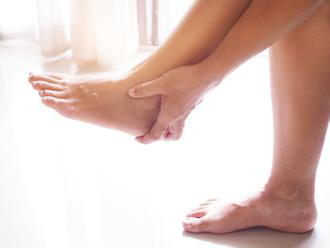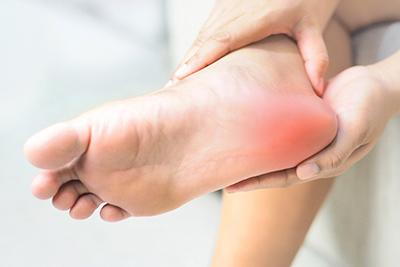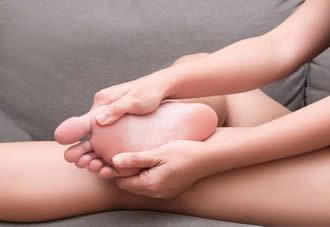
Pain in the ball of your foot has a particular character. It sits under the padded area just behind your toes, it sharpens the longer you stay upright, and it can feel like you are walking on a folded sock that never smooths out. The clinical name is metatarsalgia, which describes pain at the metatarsals, the five long bones running from the middle of your foot out to your toes. That is a description of where it hurts rather than a diagnosis, so the useful question is what is asking that part of your foot to do more than it can handle.
Why the Front of the Foot Ends Up Overloaded
Every step ends with a push off, and that push concentrates your body weight through a small area behind the toes. Anything that shifts more load forward, or thins the cushioning there, shows up as soreness in that spot. Tight calf muscles are a common culprit, because a calf that will not lengthen keeps the heel rising early and drives pressure into the forefoot. The natural fat pad under the metatarsal heads also thins and slides forward over the years, leaving less padding between bone and pavement.
Foot shape matters too. A high arch delivers weight to the forefoot instead of spreading it along the outside of the foot. Toes that have started to buckle press the metatarsal head down like a piano key. Add a job spent standing on concrete or a training block with more mileage than usual, and a foot that was coping quietly can stop coping.
Start With What You Are Standing In
Footwear changes buy the fastest relief because they lighten the load without you having to think about it. Look for a shoe that resists twisting, with the flex point at the toe joints rather than the middle of the sole. A rounded or rocker style sole helps you roll through the step instead of hinging over the sore joints. Keep heel height low, give your toes room to spread, and retire shoes once the sole has packed down, since the cushioning gives out long before the upper looks worn.
A metatarsal pad is worth trying, but placement decides whether it works. The pad belongs just behind the tender spot so it lifts the bones and spreads them apart. Sitting directly under the painful area, it becomes one more thing pressing on an already irritated joint.
Settling Down a Flare at Home
Most forefoot pain quiets down within a few weeks if you take pressure off it early. A reasonable plan for the first two weeks:
- Trade running and jumping for cycling, swimming, or the elliptical so you keep your fitness without repeated pounding.
- Ice the ball of the foot for about ten minutes after you have been on it, with a cloth between the ice and your skin.
- Stretch your calf twice a day, once with the knee straight and once with it bent, holding each for thirty seconds.
- Wear a supportive house shoe or sandal indoors instead of going barefoot on tile and hardwood.
- Ask your prescriber whether an anti-inflammatory is appropriate for you before adding one.
If two weeks of that changes nothing, something structural is likely at work, and guessing further at home only costs you time.
What Happens When You Come In
The exam is mostly hands and questions. We press each metatarsal head individually, because pain over one bone points somewhere very different than pain across all of them. We squeeze the forefoot from side to side to check for a pinched nerve, move the toe joints to see whether the ligament underneath has given way, and watch you walk. Digital X-ray at our Fredericksburg office shows bone length, alignment, and any stress reaction, and diagnostic ultrasound lets us view soft tissue while you point to the spot that hurts.
Treatment follows the finding. Padding, taping, a stiff soled shoe, or a short stretch in a walking boot handles a lot of cases. When the trouble is how your foot distributes weight, a device built from a scan of your own foot can redirect pressure away from the sore bone, and our custom orthotics page explains how we make those. Calf stretching and strengthening through in-house physical therapy often does the quiet work that keeps the pain from returning.
Signs That Should Move Your Appointment Up
- Tenderness you can cover with one fingertip, especially with swelling on the top of the foot, which can mean a stress fracture.
- Burning, tingling, or numbness spreading into two neighboring toes.
- A toe that has begun to drift sideways or sit slightly above the others.
- A thick callus that keeps rebuilding in the same place.
- Diabetes, neuropathy, or poor circulation, in which case any new forefoot pain or skin change deserves prompt attention.
Get the Ball of Your Foot Looked At
Forefoot pain rarely resolves by being ignored, and the longer you change how you walk to avoid it, the more likely something else starts to ache. The podiatric surgeons at Rappahannock Foot & Ankle Specialists have been sorting out this kind of pain since 1986, and we see patients in Fredericksburg at 195 Falcon Drive and in North Stafford at 450 Garrisonville Road. Reach us through our contact page, or call Fredericksburg at (540) 371-3338 or North Stafford at (540) 659-5067.