
THE ONLY PRACTICE IN THE AREA OFFERING LUNULA LASER TREATMENT
Fungal Toenail Treatment & Lunula Laser in Fredericksburg, VA
Painless, drug-free laser treatment for toenail fungus, with no liver labs, no downtime, and a realistic plan for growing healthy nail back in.
☎ Fredericksburg: (540) 371-3338
☎ North Stafford: (540) 659-5067
Only Lunula laser in the area • Drug-free, painless treatment • Since 1986 • 900+ five-star reviews
What Is Toenail Fungus?
Toenail fungus, medically onychomycosis, is an infection living underneath and inside the nail plate. The organisms responsible feed on keratin, the protein your nails are made of, which is why an infected nail thickens, yellows, turns brittle or crumbly, and can eventually lift away from the nail bed. It usually starts small, a little discoloration at one edge picked up from a gym floor, a pool deck, a pedicure bath, or an athlete’s foot infection that migrated, and then spreads slowly through the nail and often to its neighbors.
Two facts explain why this condition frustrates everyone who tries to self-treat it. First, the fungus lives under the nail, and the nail plate is armor: creams and polishes painted on top rarely reach the infection. Second, a nail cannot be disinfected back to clear. Even after the fungus is killed, the damaged, discolored nail you see has to grow out and be replaced by new, healthy nail from the root, and toenails grow slowly. Treatment is therefore a two-part project: kill the infection, then wait for the healthy nail to grow in behind it. A clear nail within a month is not something any treatment can deliver.
Is It Definitely Fungus? (The Step Worth Taking First)
Up to half of thickened, discolored toenails are not fungal at all. Nail trauma from running or tight shoes, psoriasis, aging changes, and other nail conditions can look nearly identical, and none of them respond to antifungal treatment, which is one big reason so many people “tried everything and nothing worked.” Before treating, we can confirm the diagnosis with a simple nail sample sent for testing, so the months you invest in treatment are aimed at the right target.
Your Treatment Options, Honestly Compared
| Treatment factor | Lunula Laser | Oral Terbinafine (Lamisil) | Prescription Topicals | Drugstore Remedies |
|---|---|---|---|---|
| How it works | Low-level laser energy targets the fungus and stimulates nail bed healing | Systemic medication reaches the nail bed through the bloodstream | Medicated lacquer applied to the nail daily for months | Creams and polishes on top of the nail plate |
| Pain and side effects | Painless; no known side effects; no drug interactions | Effective, but requires liver monitoring labs and interacts with some medications | Skin irritation possible; demands daily discipline for up to a year | Minimal, because little of it reaches the infection |
| Best for | Patients who want effective treatment without drugs, or cannot take orals | Patients comfortable with monitoring, good candidates by health history | Mild, early, single-nail infections | Prevention at best |
| Insurance | Typically self-pay | Usually covered | Often covered | Out of pocket |
We offer the first three of these options, and we will tell you plainly which combination fits your nails, your health history, and your patience.
You’ve Probably Already Tried…
Vicks VapoRub, the internet’s favorite. Tea tree oil. Apple cider vinegar soaks. The antifungal polish from the pharmacy, applied faithfully for a few weeks and then, understandably, abandoned. Filing the nail thin. Dark polish over everything from May to September, which hides the nail but can make things worse, since fungus does well in a sealed, dark environment.
The honest assessment: home remedies fail not because you did them wrong but because of the armor problem. The infection lives under a nail plate that topical agents barely penetrate, which is why studies of over-the-counter approaches show such poor cure rates even with perfect discipline. The treatments that genuinely work either go through the bloodstream (oral medication), penetrate with medical-grade formulation and months of consistency (prescription topicals), or bypass the armor entirely with light energy (Lunula). Other approaches rarely make a lasting difference.
When to See a Specialist
Come in when the discoloration is spreading across the nail or to other nails; when the nail is thickening enough to hurt in shoes or become hard to trim; when you have tried drugstore treatment for months without change; when you have diabetes or circulation problems, where a fungal nail can crack skin and open the door to serious infection; or when sandal season keeps coming and you keep opting out. One timing note: because new nail needs months to grow out, starting earlier makes a real difference in how things look by next summer.
Toenails replace themselves in roughly 9 to 12 months. Whatever treatment you choose, the calendar is part of the plan, and starting earlier means seeing the change sooner.
Thinking ahead to next summer? Now is a good time to start.
Request an appointment online, or call the office nearest you.
☎ Fredericksburg: (540) 371-3338
☎ North Stafford: (540) 659-5067
Treatment at Our Practice
The full range of proven options under one roof, and a straight answer about which one fits your nails.
ONLY IN THIS AREA
Lunula Laser
How it works
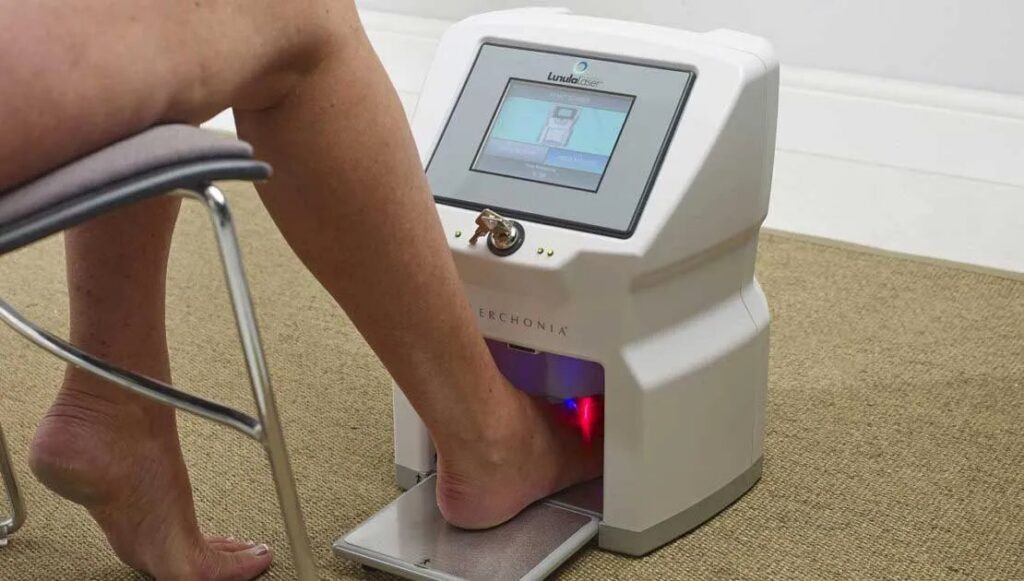
Lunula is a low-level cold laser that treats the infection with two wavelengths of light: one attacks the fungus, the other stimulates circulation and the nail bed’s own defenses so healthy nail can grow in behind the retreating infection. Your foot rests in the device while the laser sweeps the nails; there is no heat you can feel, no pain, and no numbing needed.
What a course looks like
Sessions run about 12 minutes per foot, typically once weekly for a short series, and you walk out to your normal day every time. There are no drugs, no liver labs, no drug interactions, and no downtime. We are the only practice in this area that offers it.
Medication and Combination Care
Oral antifungal medication
Terbinafine remains an effective, insurance-covered treatment for the right candidate. We review your health history and medications first, order the appropriate liver monitoring, and stay with you through the course.
Prescription topicals
For early or mild infections, medical-grade lacquers work considerably better than over-the-counter products, with honest expectations set about the daily discipline and long timeline involved.
Combination therapy
For stubborn or long-standing infections, pairing approaches, for example laser plus a topical, or debridement plus medication, attacks the fungus from multiple angles at once and is often how the toughest nails finally clear.
Debridement and nail care
Thinning and shaping thick, painful nails in the office provides immediate comfort, reduces the fungal load, and helps every other treatment penetrate better.
What to Expect, Month by Month
1
First visit
Diagnosis confirmed, nails debrided if they are thick or uncomfortable, and your treatment plan chosen based on severity, health history, and preference.
2
Treatment course
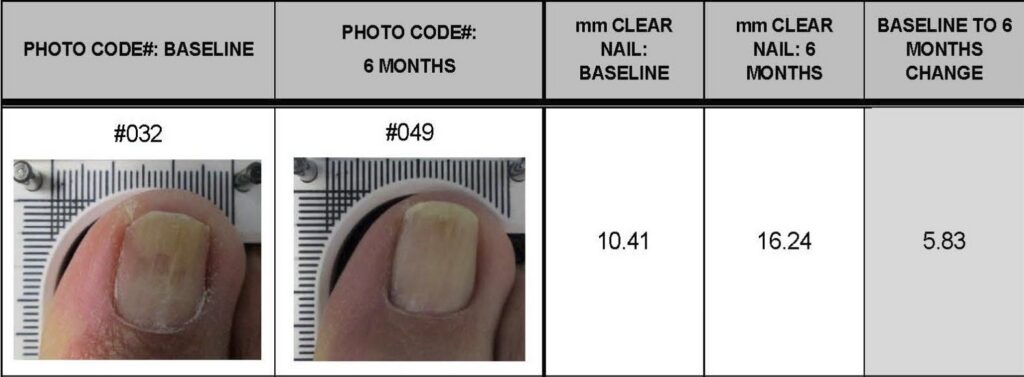
Laser sessions or medication proceed on schedule. The nails usually will not look different yet, and that is expected: the fungus is being treated now, and the visible change grows in later.
3
Months 2 to 6
Clear, healthy nail becomes visible at the base and advances as the damaged nail grows out and gets trimmed away. This is the encouraging stretch, and photos along the way help you see the progress.
4
Months 9 to 12
Full nail replacement for most patients. We also coach the prevention side, shoe hygiene, shower shoes, treating athlete’s foot promptly, to lower the chance of reinfection.
Why Patients Choose Rappahannock Foot & Ankle Specialists
Because we treat this condition with the same seriousness as everything else we do: a confirmed diagnosis before treatment rather than guessing at a discolored nail, the full range of proven options under one roof including the area’s only Lunula laser, honest timelines, and board-certified and board-eligible podiatrists who have been caring for this region’s feet since 1986. Fungal nails are stubborn, and having the full range of options makes them considerably easier to treat.
Meet the Surgeons

Dr. Michael Donato

Dr. Sunshine Brady-Thomas

Dr. Joel Zarzuela

Dr. Martha Hurley

Dr. Neelum Patel

Dr. Jessica Somma

Dr. Stephen Carley
Emeritus
What Our Patients Say
Frequently Asked Questions
Does the Lunula laser hurt?
No. Lunula is a cold laser, meaning there is no heat, no burning sensation, and nothing to numb. You rest your foot in the device for about 12 minutes while it works, and most patients spend the session on their phone.
How is Lunula different from other nail lasers?
Older nail lasers work by heating the nail, which can be uncomfortable and treats one spot at a time. Lunula is a low-level cold laser that sweeps the entire nail area painlessly with two wavelengths, one antifungal and one that stimulates the nail bed’s healing response. In practice that means the whole nail area is treated at once, comfortably.
How soon will my nails look better?
The honest answer: the fungus dies during treatment, but the discolored nail you see must grow out and be replaced, and toenails take roughly 9 to 12 months to fully renew. Most people see clear nail advancing from the base within a few months, which is the sign that treatment is working. Clear nails within weeks is not something any treatment can deliver, because nail growth sets the pace.
Why shouldn’t I just take the pills?
For many patients, oral terbinafine is a fine choice, and we prescribe it with proper supervision. But it requires liver monitoring labs, interacts with certain medications, and some patients cannot or prefer not to take it. Lunula is there for patients who want effective treatment without a systemic drug, and combination approaches often work better than either alone.
Is the discoloration definitely fungus?
Not necessarily, and it is worth checking: up to half of discolored nails are trauma, psoriasis, or other non-fungal conditions that antifungal treatment will not help. We can confirm with a simple nail sample before you invest months in treatment. Getting the diagnosis right first saves you time and money.
Does insurance cover fungal nail treatment?
The evaluation, nail testing, debridement, and prescription medications are typically covered. Laser treatment is generally self-pay, as insurers classify it separately, and we keep that pricing straightforward and discuss it before anything starts.
Can I wear nail polish during treatment?
We will ask you to keep nails polish-free for laser sessions and testing, and ideally through treatment, since polish seals in moisture and shields the fungus. Once clearing is underway, breathable options exist, and once you are clear, paint away.
Why do my nails keep getting reinfected?
Because the fungus that infected your nails usually still lives in your shoes, your shower, or as untreated athlete’s foot on your skin. Real treatment includes the environment: shoe sanitizing, shower shoes in shared spaces, and promptly treating any peeling, itchy skin. We will walk you through the whole checklist.
Is toenail fungus dangerous?
For most people it is cosmetic and slowly progressive rather than dangerous. For patients with diabetes or poor circulation it is a different story: thick, brittle nails can crack the surrounding skin and open a path for bacterial infection. If that describes you, it is worth treating as a medical issue rather than a cosmetic one.
When should I start if I want clear nails for summer?
Counting backward, nails take 9 to 12 months to fully replace, so starting the previous fall gives you the most time. If that has passed, starting now still puts you further along than waiting.
Ready to Take the Next Step?
Ready to Get Started?
Request an appointment online or call your nearest office below.
Have Questions First?
Call your nearest office and our team will happily answer.
Not Sure It’s Fungus?
Even better reason to come in: up to half of these nails are not, and the test is simple.
Our Locations
Fredericksburg
195 Falcon Drive
Fredericksburg, VA 22408
☎ (540) 371-3338
North Stafford
450 Garrisonville Road, Suite 115
Stafford, VA 22554
☎ (540) 659-5067